
What FBIC is
N.S.S. FBIC (formerly NSS BIC) is a BEOS-methodology-based criminal-investigation system that classifies images presented to a suspect as familiar or unfamiliar, based on the subject's neural responses together with eye tracking.
Familiarity, not Experiential Knowledge
FBIC cannot elicit Experiential Knowledge. That is what the BEOS test does. Instead it classifies object familiarity, and can be used independently or as a complementary test alongside BEOS.
Why images
It is often easier to show a suspect the image of a co-conspirator than to describe the person in words. Images are invaluable when the names or identities of people, locations or objects are unknown to the suspect but pictures are available to investigators, and they work without a language barrier.
The test protocol
FBIC uses a three-stimuli protocol: relevant, neutral and target images (irrelevant images the suspect is told to focus on). The suspect presses a left key for target images and a right key for all others. The test takes about 30 minutes, after which a highly accurate automated report is generated; many subjects can be tested in a short period.
Eye tracking
Alongside the neural response, FBIC captures eye-tracking measures (heat maps, pupil size, blinking rates, scanning pattern, region-of-interest analysis), giving a second, independent channel of evidence about what draws the subject's attention.
Portable hardware
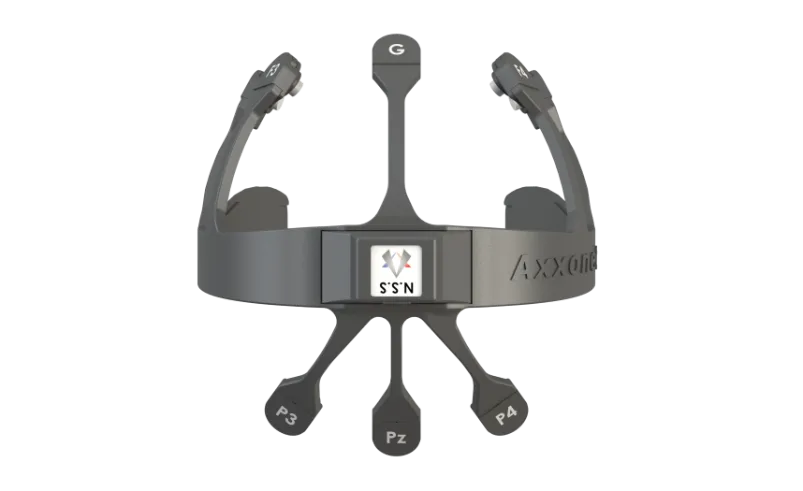
FBIC ships in a portable carry case and deploys in minutes. It uses a non-gel, multi-channel headset available in multiple sizes, keeps test times short, lets the examiner monitor responses online, and performs automated software analysis.
What the test needs
To run FBIC, investigators need the broad events of a case for which images can be retrieved: possible routes taken, locations visited, people interacted with, objects handled. FBIC can also help formulate a hypothesis, and is comfortable, non-invasive and human-rights friendly.
FBIC versus BEOS
Purpose: BEOS establishes whether a suspect holds the memory of participating in a crime; FBIC assesses image familiarity. Process: BEOS presents first-person audio narratives while the subject stays silent; FBIC presents images and requires a keypress for every image.